What is Depression?
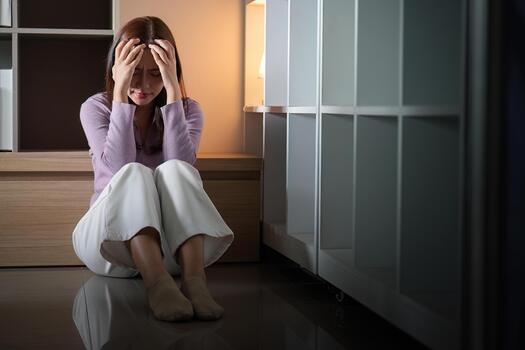
Depression is a serious mental disorder that affects a person's mood, thoughts, and daily life activities. It is characterized by sadness, loss of interest, and hopelessness. If left untreated, it seriously impairs a person's functioning.
What Causes Depression?
Many factors play a role in the onset of depression, including genetic predisposition, changes in brain chemistry, stressful life events, chronic illnesses, and personality traits. Family history, early childhood trauma, loss, and grief also increase the risk of depression.
How Do We Recognize Depression?
The main symptoms of depression include:
- •Persistent feelings of sadness, emptiness, or hopelessness
- •Loss of interest in previously enjoyed activities
- •Decreased energy and constant fatigue
- •Sleep disturbances (insomnia or excessive sleeping)
- •Changes in appetite and weight
- •Difficulty concentrating and making decisions
- •Feelings of worthlessness or guilt
- •Thoughts of death or suicide
Is Depression Serious?
Depression is one of the most common mental disorders worldwide and is a condition that needs to be taken seriously. If untreated, it can become chronic and deeply affect a person's work, family, and social life.
Pay Attention to Suicide Risk
People with depression have a significantly increased risk of suicidal thoughts and attempts. Thoughts that life is meaningless or that one is a burden are serious warning signs. Professional help should always be sought in such situations.
Seasonal Depression
Seasonal depression, which occurs particularly in autumn and winter months with decreased sunlight, manifests with excessive sleeping and carbohydrate cravings in addition to general depression symptoms.
Who Gets Depression?
Depression can occur at any age and in any gender. However, it is approximately twice as common in women as in men. Adolescence, the postpartum period, and old age are particularly high-risk periods.
Risk Factors
- •Family history of depression
- •Stressful life events (loss, divorce, unemployment)
- •Chronic physical illnesses
- •Substance use
- •Social isolation
- •Low self-esteem and negative thought patterns
Treatment
Depression treatment involves a combination of medication and psychotherapy. Antidepressant medications help correct imbalances in brain chemistry. Cognitive Behavioral Therapy (CBT) is effective in changing negative thought patterns in depression. Treatment compliance is very important; medications should be taken regularly under medical supervision and should never be discontinued on one's own.
Family Approach
Depression affects not only the patient but the entire family. It is crucial for family members to understand the illness and be patient and supportive during the treatment process. Listening without judgment and encouraging daily activities contribute to recovery.
What Happens Without Treatment?
Untreated depression becomes chronic and seriously reduces quality of life. Job loss, relationship problems, substance addiction, and suicide risk increase. Early diagnosis and treatment positively change the course of the illness.