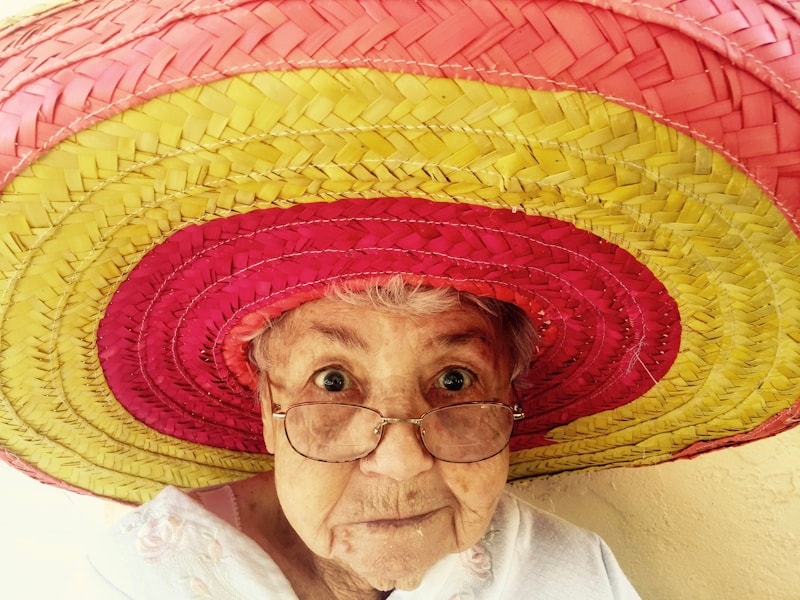
As average life expectancy increases, the elderly population is also growing, and physical changes and medical problems increase with aging. The aging process is divided into three groups: biological, psychological, and social.
With aging in the nervous system, brain weight and volume decrease due to reduced cerebral blood flow and decreased cell numbers. Loss of function also occurs in sensory areas such as vision and hearing.
Some psychiatric symptoms increase with aging. Depression ranks first among the most common psychiatric disorders. Anxiety frequently accompanies depression. Other psychiatric disorders following depression include dementia, delirium, psychotic disorders, and personality disorders.
In elderly depression, physical illness, lack of social support, being female, low income level, and cognitive insufficiency are facilitating factors. Weight loss, somatic complaints, and memory impairment are more prominent in the elderly. It has been found that depression goes undiagnosed in up to 40% of the elderly population.
Dementia is another common disorder in the elderly. Approximately 30% of Alzheimer's patients have a history of depressive illness.
Depression in old age is a separate and treatable condition; it is not a natural consequence of aging. Elderly individuals have the right to receive appropriate treatment and psychological intervention.